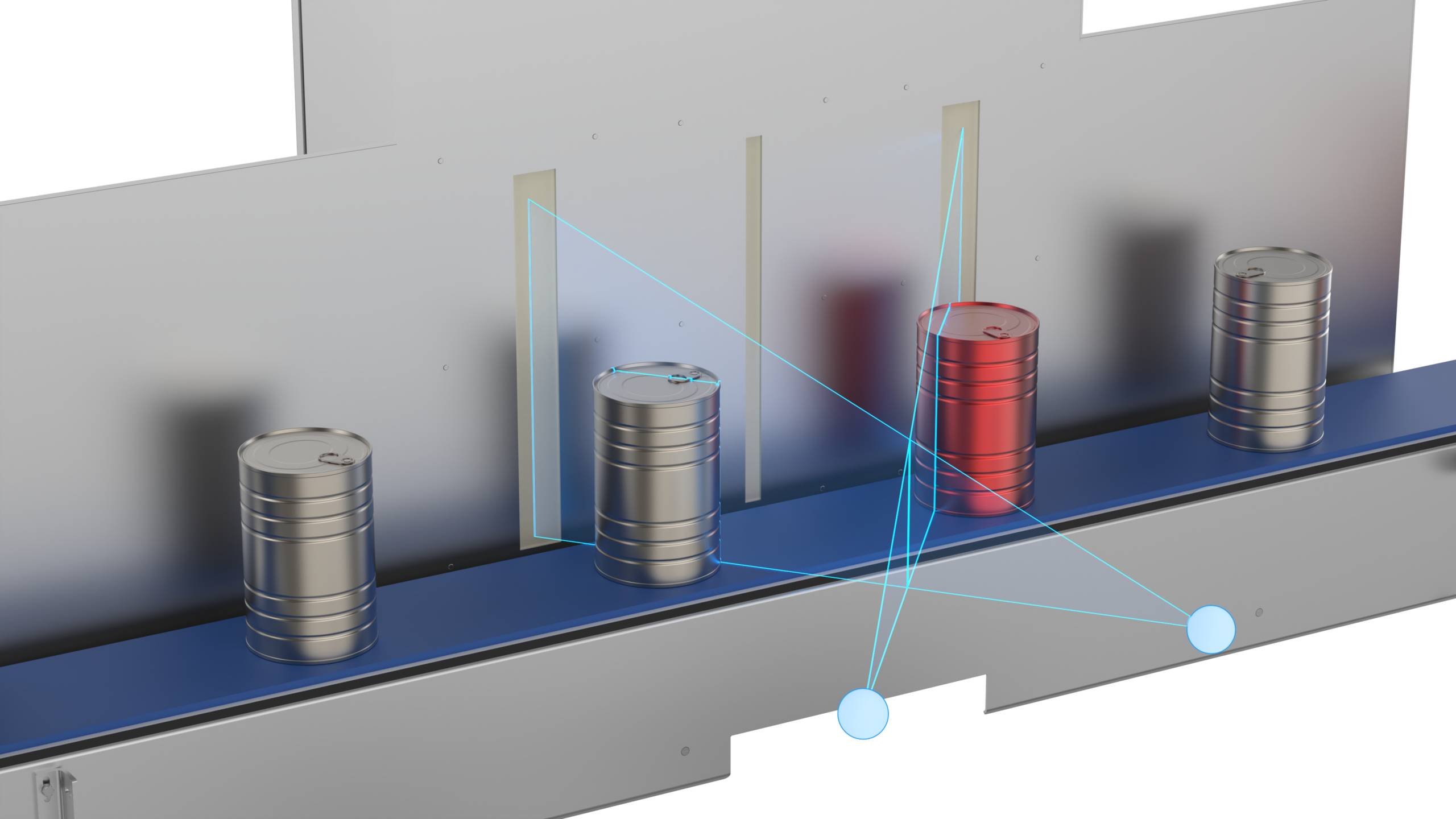
The abbreviation CFR refers to the ‘Code of Federal Regulations’ administered by the FDA (US Food and Drug Administration). CFR 21 is the policy governing manufacturing standards for the pharmaceutical, cosmetics and chemical industries, medical device manufacturers and food companies. Part 11 sets out the criteria for ensuring the reliability of electronic records.
How did 21 CFR Part 11 come about?
When a digital records retention policy is put in place, the benefits are balanced against the risks.
Digital documents enable quick information searches, make retrieving records more efficient and significantly reduce errors by automating data collection.
On the other hand, digital documents do not always match the reliability and authenticity of paper records. Digital data can be easily falsified and/or manipulated. 21 CFR Part 11 was introduced to establish clear standards on how to record, validate, store and use digital data.
Key points for compliance with 21 CFR Part 11
The inspections carried out on facilities that must comply with this regulation are highly exhaustive. Systems must demonstrate both safety and traceability. The following requirements are essential for compliance.
- Validation. Internal procedures must be validated, and systems must ensure that they are accurate and reliable. Access must be controlled and security protected; only authorized personnel should operate and validate records. Unauthorized access must be detected and reported immediately.
- Audits. Companies must be able to present comprehensive records for every stage of the manufacturing process. During normal operation, the system must log file creation, modification, and deletion dates, as well as names and any other product-related data. Traceability is a critical priority, and maintaining backups for potential audits is essential.
- Electronic signature. The regulations place particular emphasis on electronic signatures on digital documents that are linked to specific documents. Such signatures must include the signatory’s name and the date, together with the ‘approved by’ indicator.
- Retention of copies. It is mandatory to produce backup copies of the records generated. These copies must be retained for the specified retention period. The format of the copies must be secure and reliable and must allow for their review in the event of an enquiry or inspection.
What areas does 21 CFR cover?
The 21 CFR regulations cover a wide range of issues relating to the safety and efficacy of food and pharmaceutical products, including:
CGMP
Good manufacturing practices for medicines and medical devices.
FOOD SAFETY
Food safety requirements, including labelling, packaging and handling.
MEDICAL DEVICES
Classification of medical devices and requirements prior to authorisation and marketing approval.
MEDICINES
Requirements for Investigational New Drug (IND) applications and New Drug Applications (NDAs).
ESSAYS
Requirements for the design and conduct of clinical trials.
CONTROL
Post-marketing safety reporting requirements.
What requirements must companies meet?
To comply with 21 CFR regulations, companies must adhere to the specific requirements set out in the regulation that apply to their products or processes. Here are some general steps that companies can take to ensure compliance:
- Take regulations into account: Companies must familiarise themselves with the specific 21 CFR regulations that apply to their products or processes. This includes understanding the requirements for the manufacture, processing, packaging, labelling and storage of their products.
- Quality systems Quality systems must be established and implemented that comply with the requirements of the applicable 21 CFR regulations. This includes procedures for maintaining records, conducting audits, and investigating and correcting any non-compliance issues.
- Training employees Employees must be trained and qualified to carry out their work in accordance with the relevant 21 CFR regulations. This includes training on good manufacturing practices, quality control and record-keeping requirements.
- Keeping records It is important to keep accurate and complete records of your activities, including manufacturing processes, test results and any deviations from standard procedures
- Inspections Be prepared for inspections by regulatory bodies, such as the FDA. This includes ensuring that all documentation is readily available and that staff are able to answer questions relating to their work.
Varpe products support compliance with 21 CFR Part 11
All equipment on a production line is important for compliance with 21 CFR Part 11. All Varpe checkweighers, as well as its X-ray inspection equipment, help to improve compliance with this regulation.
Here are some of the areas in which the Varpe teams contribute:
- Record-keeping Varpe’s teams are able to record and retain data for as long as necessary or as specified.
- Access: Different access levels are available to ensure distinct responsibilities. It is also possible to register a large number of different users. This means that each user can be assigned a specific access level.
- Security Staff members are assigned individual usernames and passwords, and a PIN can be set as a mandatory requirement. Access permissions for each user can be added, modified and/or revoked. Users can log out manually, and the system will automatically log them out after a period of inactivity (to be set by the administrator).
- Traceability: The system records all accesses, dates and any changes made during the manufacturing process. The records are available in a text file (non-editable).
- Storage: Varpe systems ensure that all data relating to production and maintenance is stored, creating an automatic daily backup and a weekly rotation. They also have the capability to send data to an external server for secure storage.
Varpe has equipment designed to meet the requirements for records, audits and electronic signatures set out in 21 CFR.
- Audit Trail: the system will detect and record any changes to data or user details, specifying the details of the change (date, time, user, the field modified, and the old and new data).
- Electronic records: all records created provide the required security, as the data cannot be altered, deleted or tampered with in any way.
For pharmaceutical companies, given the complexity of their processes and the nature of the products they market, compliance with Part 11 of the CFR is particularly important.