X-ray inspection for food has evolved from being a supplementary technology to becoming a cornerstone of the quality control framework within the food industry. In a context where regulatory pressure, retailer demands and brand protection are critical factors, inspection systems must offer much more than simply the detection of foreign bodies
Unlike standardised international solutions, Varpe positions itself as a manufacturer capable of adapting technology to the operational realities of each production line. This ability to customise is crucial in environments where product variability, packaging type or processing conditions directly influence system performance. Particularly in cases where the detection of foreign bodies is compromised by their similar density to the packaging, their location within the product, or the line’s speed requirements, having a bespoke solution makes all the difference in terms of efficiency and reliability.
X-ray food inspection not only identifies foreign objects but, thanks to the work carried out using its software, acts as a comprehensive control system capable of providing critical information for real-time decision-making.
Technical analysis of foreign object detection and operational stability
From a technical point of view, X-ray inspection is based on the analysis of the differential absorption of radiation as a function of material density. This principle makes it possible to detect contaminants such as metal, glass, mineral stone or calcified bones, even when they are found in packaged products or those with complex shapes.
However, the real challenge lies not in detection under ideal conditions, but in maintaining accuracy under real production conditions. Factors such as humidity, salinity, temperature and product heterogeneity have a significant impact on other technologies, such as metal detectors. In this context, X-ray inspection offers a distinct advantage as it is not affected by the so-called ‘product effect’.
Varpe has developed its systems with this operational reality in mind. The incorporation of technologies such as Dual Energy and high-definition detectors improves sensitivity whilst reducing false rejects, a critical factor in high-throughput production lines. Operational stability—defined as the system’s ability to maintain consistent detection levels without affecting line performance—is one of the key factors that sets it apart from more generic solutions.
Beyond detection: quality control and in-line processing
One of the most common mistakes made when evaluating inspection systems is to limit their value to the detection of contaminants. In practice, X-ray food inspection enables multiple quality control functions to be carried out simultaneously.
In a single pass, the system can check fill levels, identify damaged products, detect missing items or even estimate the product’s mass based on image analysis. This capability transforms the equipment into a control node within the production line, providing data that enables processes to be optimised, waste to be reduced and overall efficiency to be improved.
In this regard, Varpe integrates hardware and software into a single solution, enabling not only inspection but also data management, traceability and integration with plant control systems. This approach is in line with the principles of Industry 4.0, where each piece of equipment must add value beyond its primary function.
Real-world comparison: Varpe versus international solutions
International X-ray inspection solutions are typically designed using a standardised approach, intended to cover a wide range of applications with limited configurations. Whilst this may be sufficient in simple environments, it has clear limitations on lines with high variability.
Varpe takes a different approach, based on customisation and applied engineering. This results in systems that are specifically configured for each application, taking into account factors such as product type, packaging format, production speed and integration requirements.
Furthermore, Varpe’s technical expertise and knowledge of the local market enable it to offer a more responsive support service that is tailored to manufacturers’ actual needs. In sectors where a production line stoppage has an immediate economic impact, this factor takes on strategic importance.
Applications in the food industry: comprehensive coverage of sectors
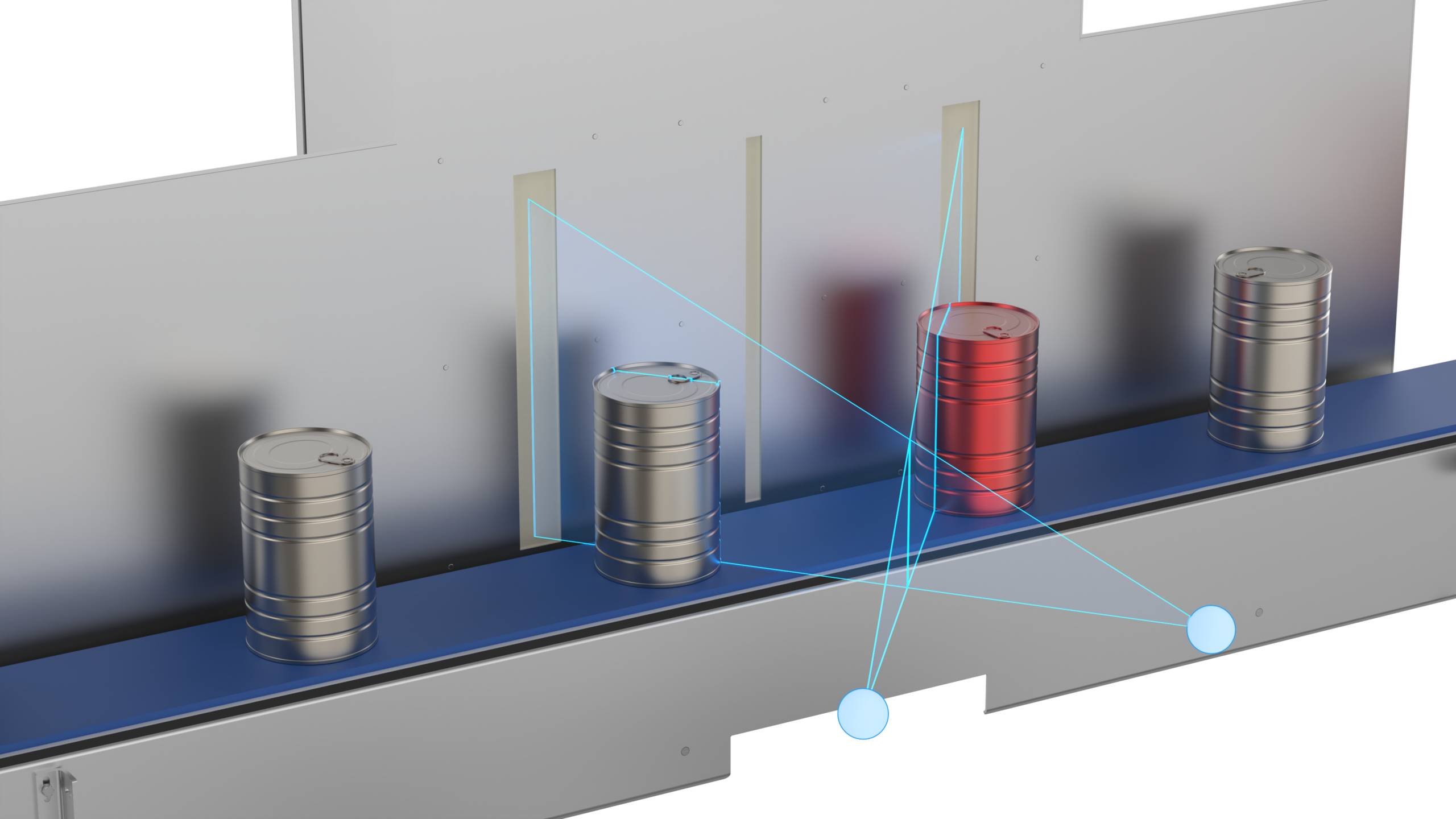
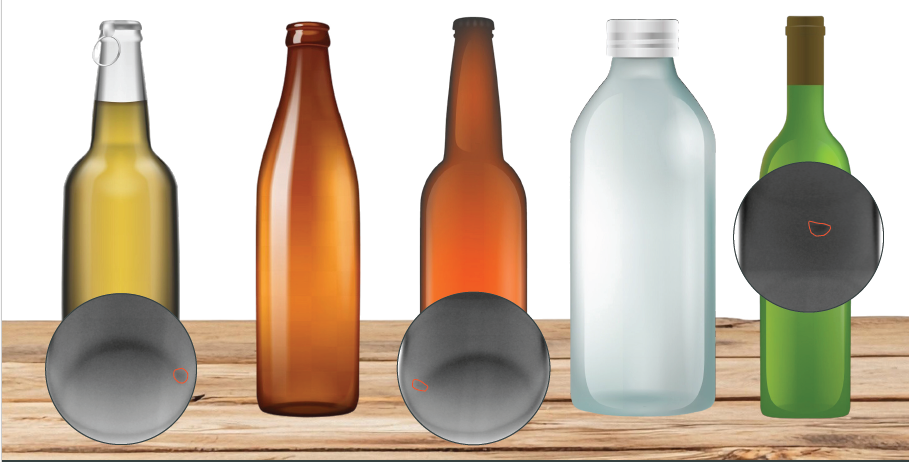
The versatility of X-ray inspection for food products means it can be used across a wide range of sectors within the food industry. Varpe has developed specific solutions for environments such as bakeries, the drinks industry, bulk products, canned goods, meat cutting plants, packaging lines, ready meals and frozen foods.
Each of these sectors presents its own particular challenges. In bakery products, for example, low density can make it difficult to detect certain contaminants, whilst in the meat sector the presence of bones requires high sensitivity and precision. In bulk products, flow variability calls for robust and stable systems, whilst on packaging lines it is essential to ensure inspection through complex materials.
The ability to tailor the technology to each of these contexts is one of the factors that sets Varpe apart from more general-purpose solutions.
Impact on food safety, regulatory compliance and brand protection
The implementation of X-ray inspection systems has a direct impact on three areas that are critical for any manufacturer: food safety, regulatory compliance and brand protection.
From a safety perspective, the early detection of contaminants reduces the risk of incidents that could affect consumers. In regulatory terms, standards set by international bodies and retailers demand ever-higher levels of control and traceability, in which advanced inspection plays a key role.
However, the most significant impact is usually on brand protection. A quality failure can lead to product recalls, penalties or a loss of market confidence. The ability of X-ray system software to generate records, isolate batches and provide evidence during audits makes this technology a key tool for mitigating risks.
Varpe as a technology partner in X-ray inspection
In an environment where production lines are becoming increasingly complex, the choice of technology supplier is just as important as the technology itself. Varpe positions itself not merely as a manufacturer, but as a technology partner capable of supporting the customer throughout the entire project lifecycle.
From the initial analysis through to integration, commissioning and support, Varpe’s approach is based on tailoring solutions to each client’s specific needs. This approach maximises system performance and ensures it is aligned with production and quality objectives. If you are looking for an X-ray inspection solution for food that combines precision, operational stability and adaptation to your production process, the Varpe team can help you define and implement the most suitable system for your line. Contact us today.