The detection of fish bones is one of the most critical challenges in quality control within the canning industry, particularly in products made from fish such as tuna, sardines, mackerel and anchovies. The presence of fish bones poses a direct risk to consumer safety, as well as having a significant impact on regulatory compliance, product recalls and brand reputation.
In an increasingly automated and regulated industrial environment, canning companies need inspection solutions capable of guaranteeing high levels of reliability without compromising production efficiency. Technologies such as X-ray systems, dynamic checkweighers and advanced industrial software have become strategic allies in tackling this challenge through a preventative, data-driven approach.
The importance of bone detection in the canning industry
Bone detection is not merely a quality requirement, but a key element of food safety. Unlike other physical contaminants, bones are a natural part of the raw material, which makes them difficult to identify and remove completely through manual processes.
The consequences of inadequate detection include:<br/>
- Risks to consumer health.
- Failure to comply with food safety regulations and standards.
- Costs associated with complaints and product recalls.
- Reputational damage that is difficult to reverse.
For this reason, the systematic and automated inspection for bones has become a strategic priority for modern canning plants..
Factors that make it difficult to detect splinters
Variability of the
raw material
The size, density and structure of the bones vary depending on the species, the catch area and prior processing, which calls for highly adaptable inspection systems.
High density
of the product
Canned foods, particularly those preserved in oil or sauces, have dense matrices that reduce contrast and make it difficult to identify foreign objects.
Speed of the
production lines
High-speed packaging lines require technologies capable of inspecting each individual unit without reducing productivity.
X-ray systems: key technology for detecting fish bones
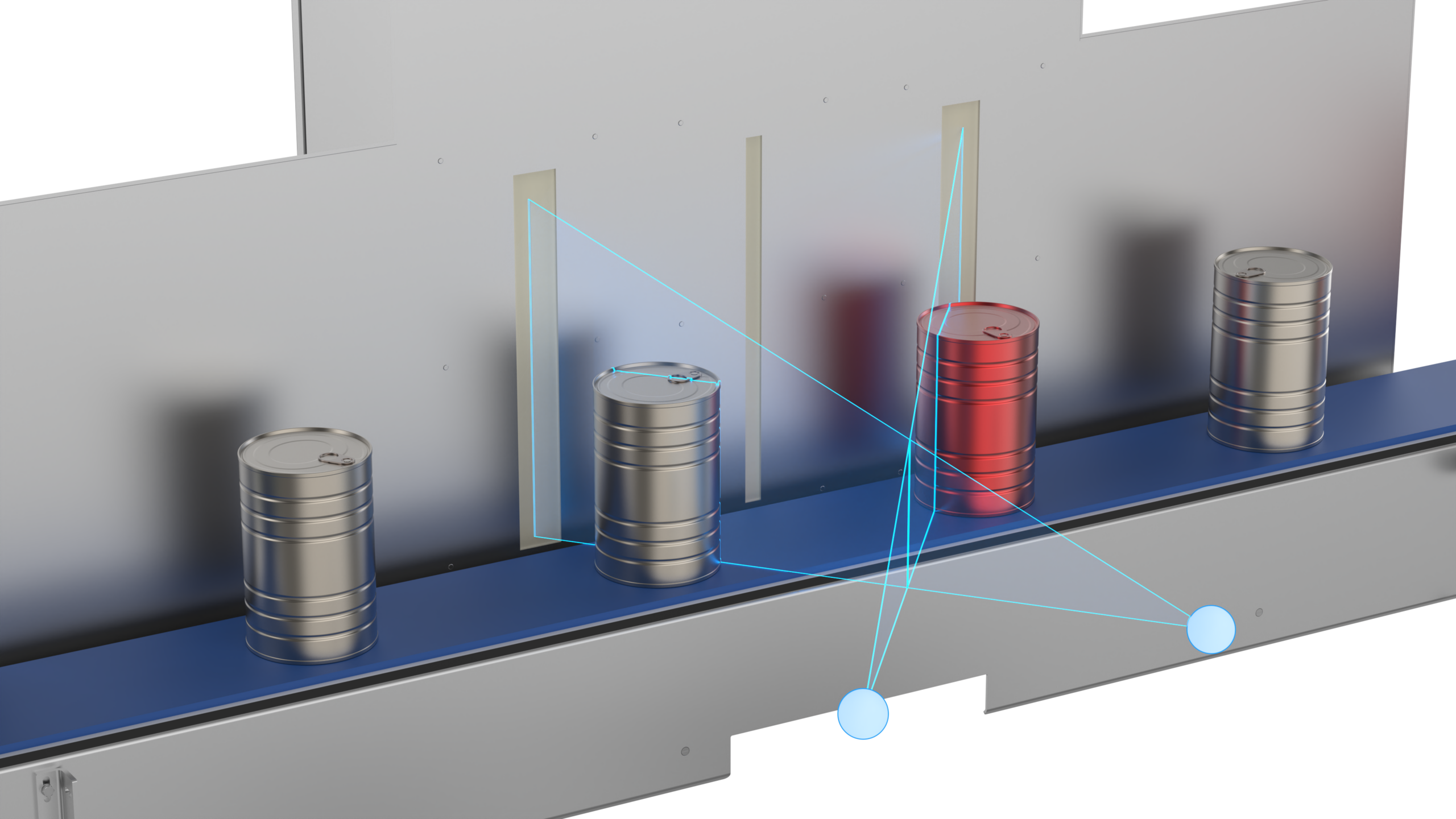
X-ray systems have established themselves as the most effective solution for detecting fish bones in tinned products, thanks to their ability to identify differences in density within the product.
How X-ray systems work
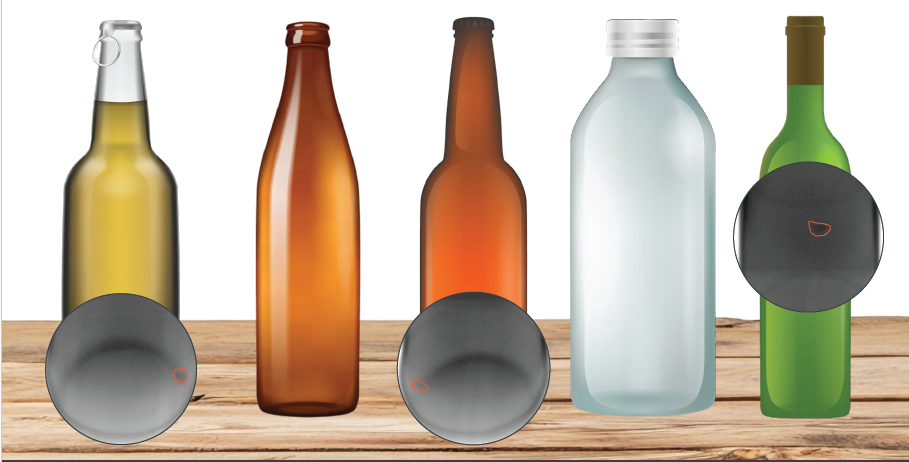
These systems produce images of the inside of the container, making it possible to detect bones even when they are hidden by the product or the liquid in which it is packed.
Key benefits
- Reliable detection of fish bones, bones and other physical contaminants.
- Inspection of packaged and sealed products.
- Capable of operating on high-speed production lines.
- Reduction in false rejects through advanced algorithms.
Common uses in the canning industry
- Flexible packaging and heat-sealed trays.
- Tins of fish in oil or in brine.
- Glass jars and tins containing premium products.
The complementary role of dynamic checkweighers
Although dynamic checkweighers do not directly detect bones, they play an important role in the overall quality control strategy.
Weight control as an indirect indicator
Unusual changes in weight may be a warning sign of:
- Presence of unanticipated foreign bodies.
- Deviations in the filling process.
- Product losses following cleaning or handling operations.
Benefits in the canning industry
- Compliance with Directive 76/211/EEC on nominal quantities.
- Reducing overfilling and optimising costs.
- Improved consistency of the final product.
Industrial software: the cornerstone of advanced quality control
Industrial software has become the cornerstone for coordinating and optimising bone detection and quality control in general.
Key features
- Centralisation of X-ray and dynamic weighing data.
- Real-time monitoring of rejections and alarms.
- Full traceability by batch, shift or production line.
- Automatic generation of audit reports.
Strategic advantages
- Trend analysis and continuous improvement.
- Reduced response times to incidents.
- Integration with MES and ERP systems.
Conclusion
The detection of fish bones is a critical aspect of quality control in the canning industry, with direct implications for food safety, regulatory compliance and corporate reputation. The combination of X-ray systems, dynamic checkweighers and industrial software enables companies to adopt a comprehensive, automated and data-driven approach.
Invertir en tecnologías de inspección avanzadas no solo reduce riesgos, sino que refuerza la competitividad y la confianza del consumidor en un mercado cada vez más exigente.
Discover Varpe’s industrial X-ray inspection equipment and improve the safety, quality, and efficiency of your industrial production. Contact your manager and implement the definitive quality control in your line.