Complete guide for your traceability plan
Implementing a solid traceability plan is no longer just a regulatory requirement: it is the best guarantee that each stage—from the receipt of raw materials to delivery to the customer—is perfectly documented and under control. In the modern food industry, where speed and precision are key, integrating dynamic weighing systems and identification technologies makes it possible to anticipate errors, streamline recalls, and increase consumer confidence.
Throughout this guide, you will discover how to design a complete plan, what records your traceability sheet should include, and how the combination of weighing and inspection solutions from Varpe can turn traceability into a real competitive advantage.
What is a traceability plan and why do you need it?
A traceability plan is the set of procedures that allows you to identify and track the history of a product throughout the supply chain. In other words, the traceability plan definition involves recording what, how, when, and with what each batch has been made, thus guaranteeing food safety and rapid action in the event of incidents.
Its legal basis is found in Regulation 178/2002 of the European Parliament and of the Council, which requires companies to be able to trace ingredients and products “backwards”, “forwards” and internally. Implementing a detailed plan not only complies with the law: it reduces recall risks, strengthens consumer confidence, and optimizes processes thanks to accurate data that facilitates audits and continuous improvements.
Benefits for the weighing and quality control industry
Implementing industrial weighing solutions within a traceability plan provides tangible advantages that go far beyond simple regulatory compliance:
Reduction of recalls and claims
By recording the exact weight and batch data at each stage, labeling and overweight errors are minimized. When an incident arises, you can accurately isolate the affected batches and avoid the massive recall of harmless products. This reduces direct costs and protects the brand’s reputation.
Productive efficiency and resource savings
Dynamic weighing equipment verifies each unit in real time, detecting weight deviations or defects before they advance along the line. This reduces the waste of raw material and avoids reprocessing, which translates into more agile production cycles and optimal use of installed capacity.
Improve quality control
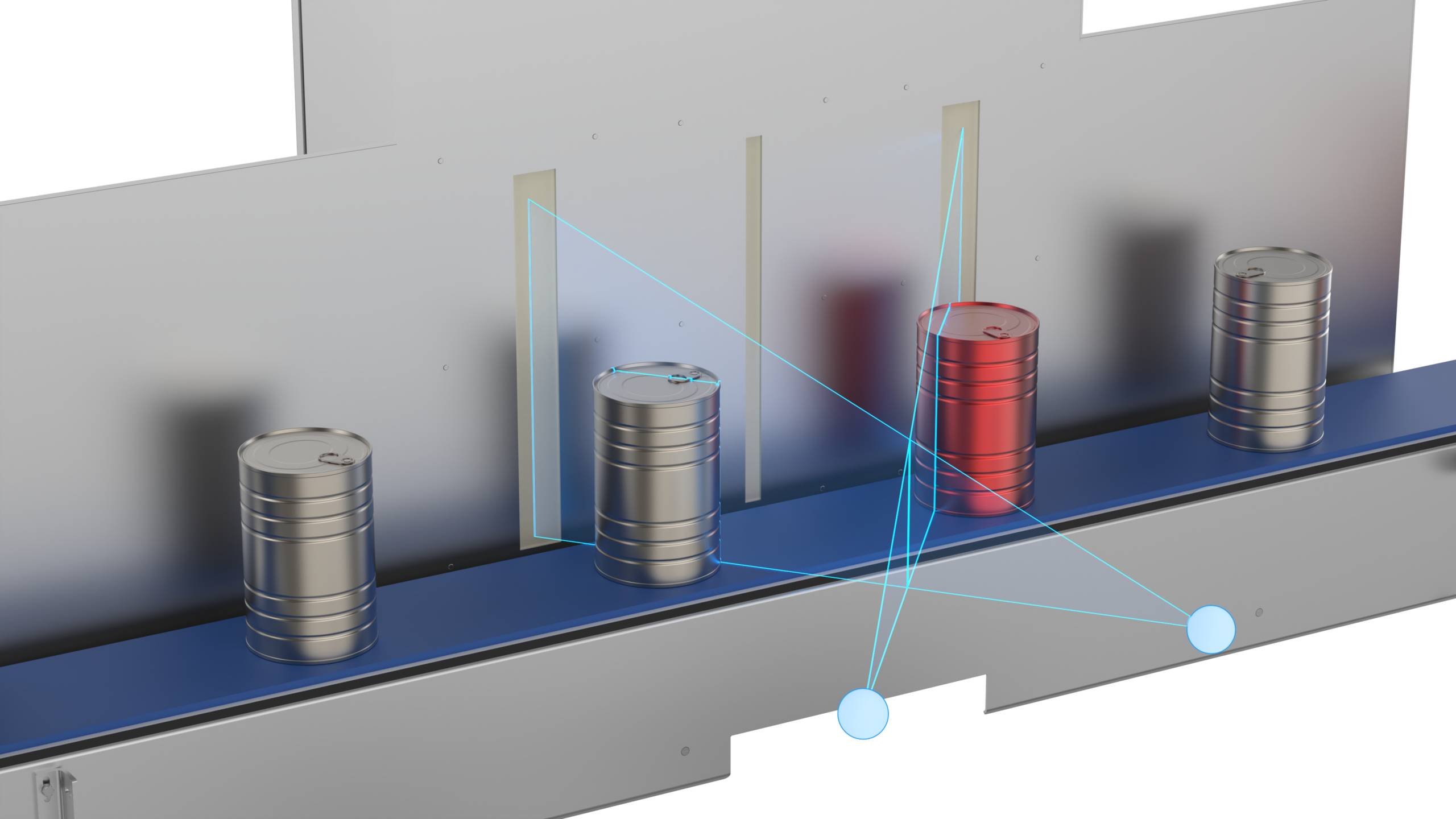
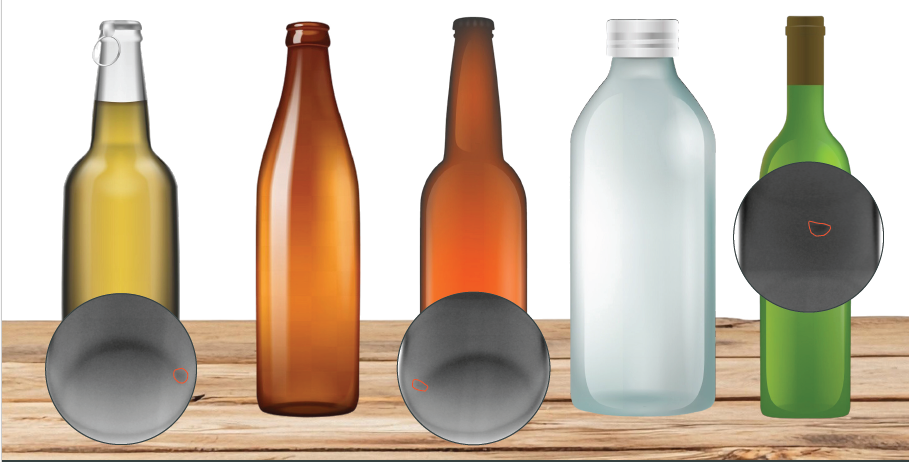
Integrating high-precision scales with inspection systems (X-rays, metal detectors) centralizes critical data on a single platform. The result is a continuous verification process that ensures the conformity of each product with the weight and quality specifications.
Data-driven decision making
Complete traceability generates key indicators—line performance, rejects, deviations—that can be analyzed to implement improvements in OEE (Overall Equipment Effectiveness) and predictive maintenance.
Overall, traceability supported by industrial weighing solutions strengthens quality control, drives productive efficiency, and drastically reduces the probability and impact of recalls, becoming a differentiating factor against the competition.
Product traceability sheet: key components
A product traceability sheet functions as the “passport” that accompanies each batch throughout its life cycle. In order to fulfill its function and facilitate integration with HACCP records, it must include at least these key components:
| Component | What it collects | Why it is crucial |
| Product identification | Trade name, internal code and presentation | Avoids confusion with similar references |
| Batch and barcode | Batch number and label with EAN/QR code | Accelerates data capture and location of specific items |
| Manufacturing and expiration date | “Production date”, “best before…” | Allows evaluating stock rotation and product out-of-date risks |
| Raw materials and suppliers | Origin, delivery note number, quality certificates | Facilitates backward traceability in case of incident |
| Process parameters | Temperature, time, target weight, critical control points | Links the sheet to the HACCP control points |
| Inspection/weighing results | Dynamic weighings, rejections due to overweight or defects | Documentary proof of online compliance |
| Dynamic weighings, rejections due to overweight or defects | Shipping data, carrier, exit batch | Supports forward traceability for selective withdrawals |
| Signature or validation | Quality or production manager | Guarantees the integrity of the record |
These elements link directly to the HACCP records, ensuring that any deviation detected in the line—for example, an overweight captured by the controller—is reflected and can be quickly investigated.
By standardizing the fields and using batch and barcode readable by scanner, manual errors are reduced and the flow of data to quality management and ERP systems is streamlined, closing the circle of effective traceability.
Types of traceability and their flows
Effective traceability relies on three complementary flows that allow you to locate any incident quickly and selectively:
Backward traceability: origin of raw materials
Allows you to identify where each ingredient, batch and supplier comes from.
- What you should record: delivery notes, quality certifications, entry weight and date of receipt.
- Added value: if a contaminant is detected, you can limit the investigation to the specific batch and notify the appropriate supplier, avoiding unnecessary production stoppages.
Internal traceability: control in process
Connects all stages within the plant—mixing, cooking, packaging—linking target weight, critical parameters and HACCP records.
- Key systems: dynamic weight controllers, RFID and MES software that link each movement to a batch.
- Direct benefit: reduces reprocessing and facilitates audits by demonstrating that each unit met the quality specifications before leaving the line.
Discover Varpe’s X-ray inspection equipment and improve the safety, quality, and reliability of your production line. Contact your manager and implement definitive quality control in your line.