Industry 4.0 in quality control marks a turning point for industrial companies seeking greater efficiency, traceability and competitiveness. Industrial digitalisation does more than optimise processes: it changes the way quality, production and operations managers handle the critical data from their lines.
In an increasingly regulated global market, adopting smart inspection technologies such as dynamic checkweighing, machine vision or X-ray inspection is no longer optional. It is a strategic necessity to ensure safety, regulatory compliance and continuous improvement.
Industrial digitalisation, a pillar of Industry 4.0
What digitalisation means for quality control
Industrial digitalisation means integrating data capture systems, sensors and connected platforms that give full control over the process. In quality control, this means:
- In-line inspection using dynamic checkweighing, machine vision, X-ray or metal detectors.
- Real-time monitoring of critical production variables.
- Automatic feedback systems that correct deviations without manual intervention.
Relevant regulations and standards
Digitalisation is aligned with international regulations such as:
- ISO 9001:2015: quality management.
- ISO 22000: food safety.
- BRCGS and IFS: standards for the food industry.
- Regulation (EU) 2017/625: official controls in the food chain.
- Legal metrology control: weighing and packaging equipment in regulated sectors.
Benefits of Industry 4.0 in quality control
Implementing industrial digitalisation solutions delivers tangible competitive advantages:
- Full traceability: automatic data recording for audits and certifications.
- Fewer human errors: thanks to automated inspection.
- Higher productivity: fewer stoppages and faster adjustments.
- Regulatory compliance: alignment with national and international regulations, including the metrology rules for weight control.
- Data-driven decisions: advanced analytics for continuous improvement.
Use cases in industry
Food and beverage: weight control
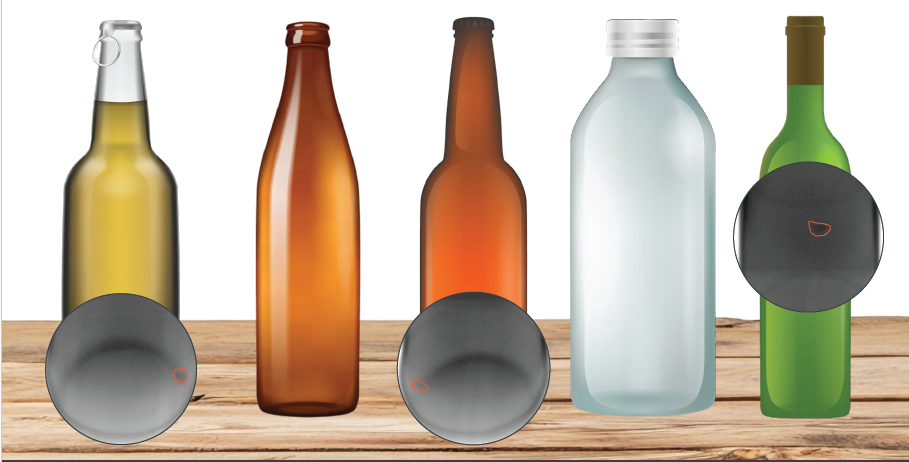
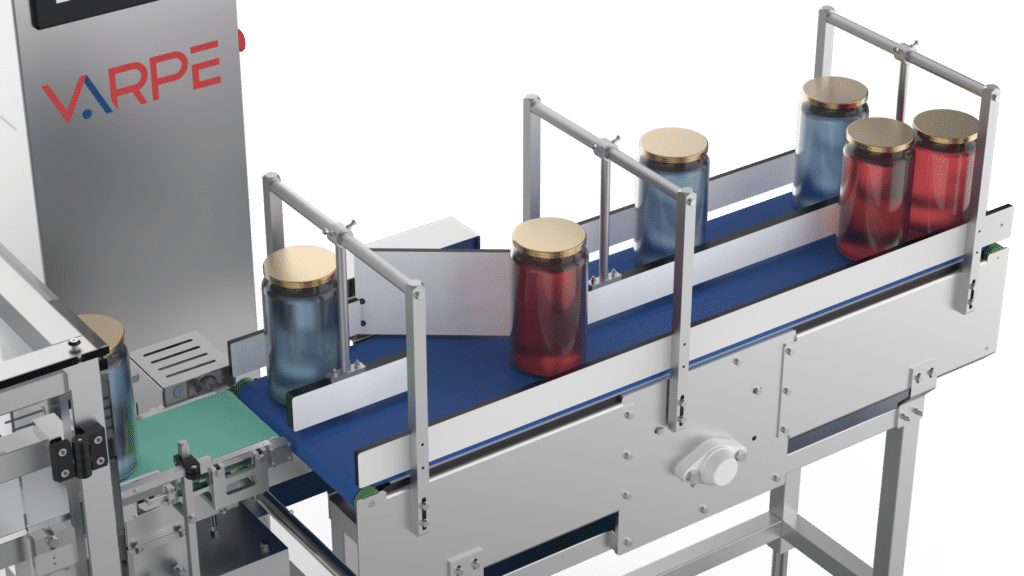
In the food industry, where product safety and legal compliance are priorities, dynamic checkweighing is an essential ally. It ensures that every pack contains the exact quantity required by regulations, which avoids penalties, reduces complaints and optimises the use of raw materials.
It also integrates with feedback systems that automatically adjust the doser or filler, improving productivity and reducing waste.
Pharmaceutical: X-ray inspection
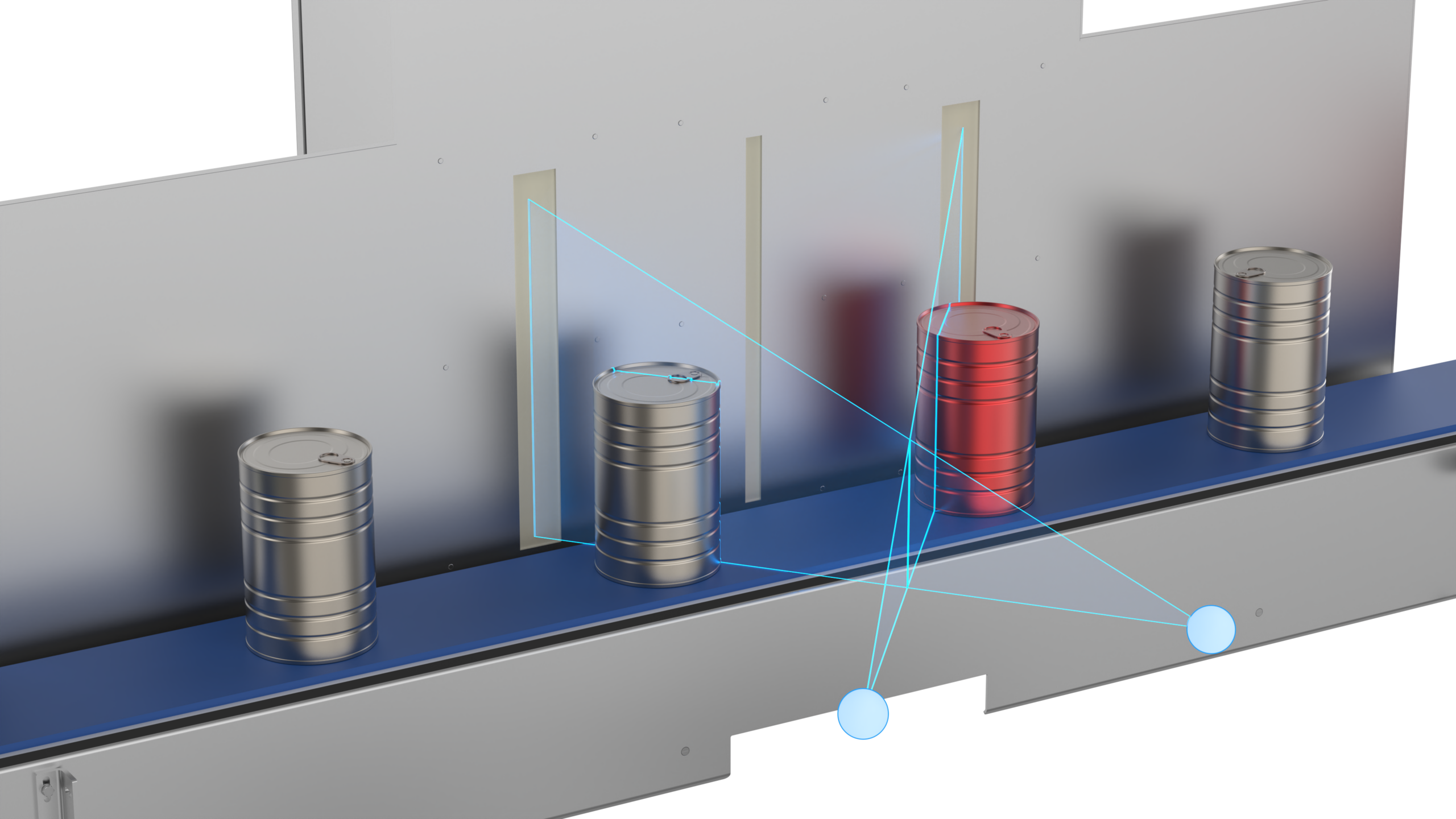
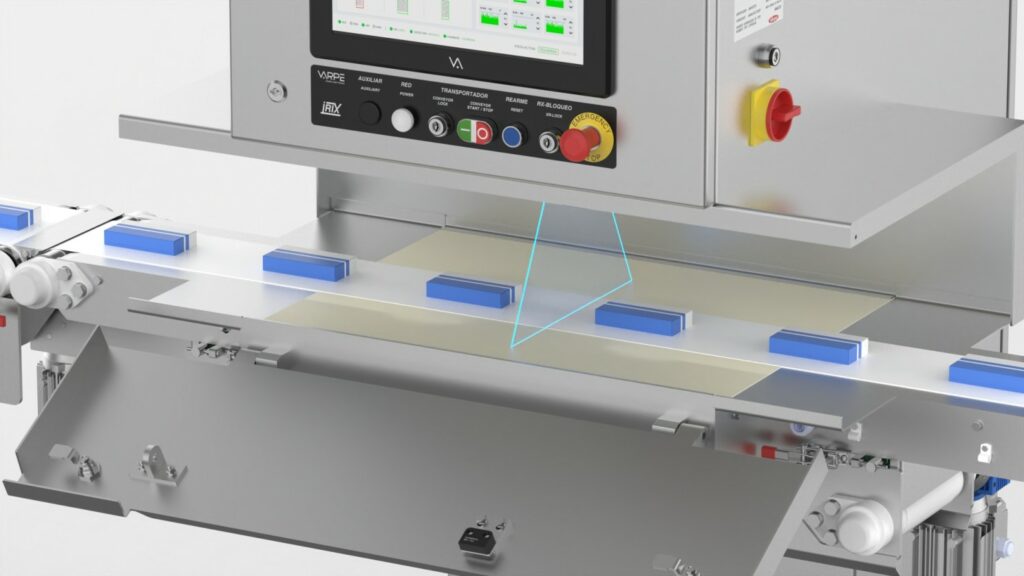
The pharmaceutical sector is governed by the highest quality and traceability standards. Here, X-ray inspection plays a crucial role: it detects foreign bodies, broken tablets, incomplete blister packs or defective ampoules.
This non-invasive technology helps ensure that every unit meets the parameters required by international regulations, building trust and reducing the risk of product recalls in a market where precision is non-negotiable.
Infant nutrition: vision systems
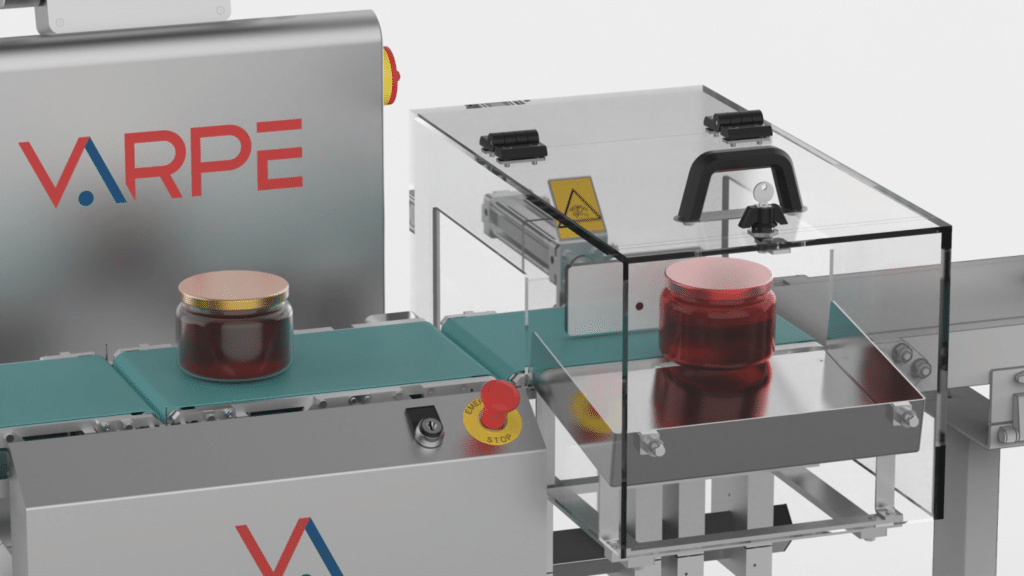
In infant nutrition, where safety and product excellence are fundamental, machine vision systems provide thorough quality control. They make it possible to check:
- Pack integrity.
- Correct label printing, including nutritional information and expiry date.
- The presence of critical elements, such as safety caps.
This way, every product intended for babies and children meets the strictest regulatory requirements and keeps consumer trust.
Varpe VIT4: software for Industry 4.0 in quality control
What VIT4 is
VIT4 is a program designed to store and manage the data generated by Varpe equipment during production. It is based on IoT (Internet of Things) concepts applied to industry (IIoT, Industrial Internet of Things), allowing machines to connect to analysis platforms, machine-to-machine (M2M) communication, telemetry and remote monitoring.
Main VIT4 features
| Feature | What it does |
|---|---|
| Real-time monitoring | View the status of Varpe equipment, current production, rejected units, deviations and average production weight. |
| Consolidated production data and reports | Store production data and present it in reports that can be filtered by date, format, rejects, etc. Ideal for audits and trend analysis. |
| Maintenance alerts and forecasts | Receive advance warnings of upcoming events, required maintenance and deviations that could affect quality control. |
| Data export | Export data in .csv format to integrate it with the ERP or external analysis systems. |
| User and equipment management | Set up users with different access levels and view several machines in detailed or grid view. |
How VIT4 strengthens control and digitalisation
- Improves traceability: accurate automatic records of production, weight, rejects and deviations.
- Adds transparency: real-time, consolidated data that makes it faster to take corrective decisions.
- Supports regulatory compliance: especially where historical data, exact weight and metrological conformity are required.
- Connects the whole plant: checkweighers, X-ray systems, metal detectors and more can be monitored from a single dashboard.
VARPE: connected quality control for your line
Industry 4.0 in quality control, supported by tools such as Varpe’s VIT4, is a decisive lever for industrial companies to guarantee safe products, efficient processes and regulatory compliance in increasingly demanding environments.
Dynamic checkweighing, together with machine vision, X-ray, metal detection and full plant digitalisation, brings more than technical advantages: it also makes more sustainable and resilient business models possible.
Connect the equipment on your line and see all your quality data in one dashboard
Weight, rejects and deviations in real time, with reports ready for audits.
Frequently asked questions about Industry 4.0 in quality control
What is Industry 4.0 in quality control?
It is the integration of sensors, data capture systems and connected platforms into production inspection: dynamic checkweighing, machine vision, X-ray or metal detection, with real-time monitoring and automatic correction of deviations.
What are the advantages of digitalising quality control?
Full traceability for audits, fewer human errors, higher productivity, regulatory compliance and data-driven decisions.
Which regulations is quality control digitalisation aligned with?
Among others, ISO 9001:2015, ISO 22000, the BRCGS and IFS standards, Regulation (EU) 2017/625 and legal metrology control of weighing equipment.
What is Varpe VIT4?
It is Varpe’s software for storing and managing production data from its equipment: real-time monitoring, reports, maintenance alerts, .csv export and user management.